
64 common kitchen items, grouped into three: tevila WITH a bracha, tevila WITHOUT a bracha, and NO tevila — with a photo, what to do and the source for each. The rulings follow Rabbi Shay Tahan's own answers and classes on this site (he is a Sephardi posek; Sephardi practice is marked where it differs) and the Star-K Tevilas Keilim chart (Rav Moshe Heinemann). No status here is our own decision — each row names its source. Where the poskim differ, both views are given: ask your Rav.
“Tevila with a bracha” — a metal or glass utensil that touches the food: immerse it in a kosher mikveh and say “…al tevilat kelim” (for one utensil: “al tevilat keli”). “Without a bracha” — the obligation is in doubt (a coating, a mixed material, a utensil that does not come to the table), so it is immersed but no bracha is said. “No tevila” — wood, plastic, earthenware, or a utensil that does not touch the food. Everything here is for utensils bought from a non-Jew or made by a non-Jewish company; what a Jewish company made needs nothing.
| Item | Status | What to do & why | Source |
|---|---|---|---|
 Stainless-steel pot / saucepan (uncoated) | Tevila with a bracha | Metal cooking vessel that holds the food — the classic case of the mitzvah. Immerse the pot and its lid completely, with a bracha. | Source: Shulchan Aruch YD 120:1 · Star-K chart · Rabbi Tahan Q&A: Tevilat Keilim to a used pot |
 Pot lid / cover (metal or glass) | Tevila with a bracha | A lid does not touch the food, but the steam does, so it is immersed like the pot itself (Rema). A lid used only on a container of cold food — preferably immerse without a bracha. | Source: Shulchan Aruch & Rema YD 120:5 · Rabbi Tahan: Practical applications · Star-K chart |
 Frying pan / skillet (uncoated metal) | Tevila with a bracha | Uncoated metal pan: tevila with a bracha. A Teflon / non-stick coated pan is listed separately below (without a bracha). | Source: Star-K chart · Shulchan Aruch YD 120:1 |
 Cast-iron pot or skillet (plain) | Tevila with a bracha | Iron is one of the six metals named in the Torah (Bamidbar 31:22). Plain cast iron — tevila with a bracha. Enamel-coated cast iron is listed below. | Source: Star-K chart · Rabbi Tahan: Which materials require tevila |
 Aluminum pot / pan (reusable) | Tevila with a bracha | Aluminum is not among the six Torah metals; some hold it is Torah-obligated like all metals, others that it is rabbinic — but either way it is immersed with a bracha (Star-K; Rabbi Tahan). Disposable aluminum pans are listed separately below. | Source: Rabbi Tahan: Which materials require tevila · Star-K chart |
 Cutlery — forks, spoons, knives | Tevila with a bracha | Metal utensils that touch the food at the meal. Immerse each piece fully; small items may be swirled in a basket under the water so the water reaches every surface. Silverware that was used by a non-Jew is kashered (hagalah) first and then immersed. | Source: Shulchan Aruch YD 120:1 · Star-K chart · Rabbi Tahan Q&A: Hagalah and tevilat kelim on silverware |
 Silver kiddush cup, silver tray or bowl | Tevila with a bracha | Silver is a Torah metal. Any silver vessel used for food or drink — kiddush cup, salad bowl, candy dish — needs tevila with a bracha, even if only cold food is served in it. A tray gets tevila only if food is placed directly on it (not just plates). | Source: Rabbi Tahan Q&A: Tevila for metal (silver salad bowl) · Rabbi Tahan Q&A: Tevila for a tray · Star-K chart |
 Drinking glasses / glass cups | Tevila with a bracha | Glass is obligated by the Sages because, like metal, it can be melted and remade (Avodah Zarah 75b). Rabbi Tahan: bless on glass. Sephardi practice (Rav Ovadia Yosef, Halacha Yomit): bless on glass, as on every rabbinic mitzvah. A few communities omit the bracha on glass — follow your own custom. | Source: Rabbi Tahan Q&A: Bracha on tevila of glass · Halacha Yomit (Rav Ovadia Yosef): which utensils need tevila · Shulchan Aruch YD 120:1 · Star-K chart |
 Glass plates, bowls, bakeware (Pyrex, Duralex) | Tevila with a bracha | Pyrex, Duralex and other glass dishes are glass in every respect: tevila with a bracha (Star-K: Rav Heinemann rules Pyrex is glass). | Source: Star-K chart · Shulchan Aruch YD 120:1 · Rabbi Tahan: Which materials require tevila |
 Corelle dishes | Tevila with a bracha | Rabbi Tahan: Corelle is made of glass and needs tevila. Star-K (Rav Heinemann): Corelle is a type of glass — with a bracha. (Do not confuse it with CorningWare, which is earthenware — listed below.) | Source: Rabbi Tahan Q&A: Do Corelle dishes need tevilah? · Star-K chart |
 Crystal glasses and decanters | Tevila with a bracha | Rabbi Tahan: crystal is glass, and glass is obligated rabbinically — immerse with a bracha. | Source: Rabbi Tahan Q&A: Tevila on crystal · Shulchan Aruch YD 120:1 |
 Glass baby bottle | Tevila with a bracha | A glass vessel used for drinking — tevila with a bracha (the Rambam names flasks for cold drinks). Plastic bottles need nothing; a metal ring or cap alone does not obligate the bottle. | Source: Rabbi Tahan Q&A: Do baby bottles made of glass need tevilah? · Shulchan Aruch YD 120:1 |
 Metal or glass water bottle / thermos | Tevila with a bracha | A reusable bottle or thermos you bought empty: tevila with a bracha. Star-K: a thermos with a plastic casing and a removable metal or glass insert — immerse only the insert, with a bracha. | Source: Star-K chart · Rabbi Tahan Q&A: Refilling a bottle without tevila |
 Baking sheet, cookie sheet, muffin pan (uncoated metal) | Tevila with a bracha | Food is baked directly on the metal — tevila with a bracha. Non-stick coated bakeware: see “Teflon / non-stick” below. | Source: Star-K chart · Rabbi Tahan Q&A: Tevila for steel bakeware |
 Metal colander, sieve, strainer | Tevila with a bracha | Food passes through it directly — with a bracha (Star-K). A sink strainer that only catches scraps in the drain needs nothing. | Source: Star-K chart · Rabbi Tahan Q&A: Toveling sink strainers |
 Metal grater, zester, garlic press | Tevila with a bracha | Direct contact with food, usually food eaten as is — with a bracha. Rabbi Tahan: a garlic press needs tevila. | Source: Star-K chart · Rabbi Tahan Q&A: Tevila for a garlic press |
 Vegetable peeler (metal blade) | Tevila with a bracha | Rabbi Tahan: a peeler needs tevila; say the bracha, since peelers are used for foods eaten raw (apples, cucumbers). In a home where it is used only on foods that will be cooked — immerse without a bracha. Star-K: with a bracha whenever the blade is metal, even if the handle is plastic. | Source: Rabbi Tahan: Practical applications · Rabbi Tahan Q&A: Tevila for a peeler · Star-K chart |
 Small metal gadgets — ladle, spatula, tongs, whisk, ice-cream scoop, egg slicer, cheese slicer, apple corer, melon baller, skewers | Tevila with a bracha | Metal tools that touch ready-to-eat food — tevila with a bracha (Star-K lists each of them). A small basket or net lets you immerse many at once; swirl it so the water reaches everything. | Source: Star-K chart · Rabbi Tahan: How to perform tevila |
 Glass or metal cutting board / challah board | Tevila with a bracha | Rabbi Tahan: a challah board needs tevila if it is glass or metal. Star-K: a glass top on a wooden board — with a bracha; a wood board with a plastic top — no tevila. A Lucite (acrylic) challah board needs nothing. | Source: Rabbi Tahan Q&A: Tevilat kelim for a challah board · Rabbi Tahan Q&A: Tevilat kelim for a Lucite challah board · Star-K chart |
 Kettle — stovetop or electric | Tevila with a bracha | Rabbi Tahan: a kettle needs tevila; urns, percolators and electric kettles — with a bracha. Immerse the body with the base of the cord; the rest of the cord need not go under. Sephardi note: Rav Ovadia Yosef rules that an electric kettle is immersed WITHOUT a bracha (some poskim treat a plugged-in appliance as attached to the ground); if it would be ruined, give it to a non-Jew and borrow it back, or have a Jewish electrician dismantle and rebuild it. | Source: Rabbi Tahan Q&A: Does a kettle need tevilah? · Rabbi Tahan: Practical applications · Halacha Yomit (Rav Ovadia Yosef): disposables and electric kettles · Star-K chart |
 Hot-water urn (metal) | Tevila with a bracha | Rabbi Tahan: a water urn needs tevila — with a bracha. If the body is plastic and only the heating element is metal, immerse without a bracha. Dry an electric appliance for 48 hours or more before plugging it in. | Source: Rabbi Tahan Q&A: Does a water urn need tevilah? · Rabbi Tahan: Practical applications · Star-K chart |
 Blender, mixer, food processor, juicer — the bowl, jar and blades | Tevila with a bracha | The glass or metal jar/bowl, the metal blades and attachments are immersed with a bracha; the motor base and plastic parts need nothing. A hand (immersion) blender: with a bracha. Rabbi Tahan: a juicer needs tevila. | Source: Star-K chart · Rabbi Tahan Q&A: Does a juicer need tevilah? · Rabbi Tahan: Practical applications |
 Barbecue grill grates | Tevila with a bracha | The food lies directly on the metal — the grates need tevila with a bracha (Rabbi Tahan: yes, for Ashkenazim and Sephardim alike; the Mishnah lists the grill among vessels bought from non-Jews). The rest of the barbecue needs nothing. | Source: Rabbi Tahan Q&A: Do BBQ grills need tevilah? · Rabbi Tahan Q&A: Tevila for a grill · Star-K chart |
 Crock pot / slow cooker — the insert | Tevila with a bracha | Rabbi Tahan: a metal crock pot needs tevila. Star-K: a metal or glass insert — with a bracha; a ceramic insert — without a bracha; the glass lid — with a bracha; the heating shell needs nothing. | Source: Rabbi Tahan Q&A: Does a crock pot need tevilah? · Star-K chart |
 Coffee maker (drip, Keurig, Nespresso) | Tevila with a bracha | Rabbi Tahan: the machine itself needs tevila, not only the glass pot. Star-K: with a bracha — unless it will break if immersed, in which case it may be used without tevila (Rav Heinemann). Alternative accepted by Rabbi Tahan and Rav Ovadia: a Jewish technician dismantles it to the point that a professional is needed to rebuild it — it is then “made by a Jew” and exempt. Ask your Rav before immersing a machine that may be ruined. | Source: Rabbi Tahan Q&A: Does a drip coffee machine need tevilah? · Rabbi Tahan Q&A: Rebuilding a coffee maker instead of toveling it · Star-K chart · Halacha Yomit (Rav Ovadia Yosef): disposables and electric kettles |
 Sous-vide device, cotton-candy machine, popcorn maker | Tevila with a bracha | Rabbi Tahan: a sous-vide device needs tevila; a metal cotton-candy machine needs tevila. Star-K: popcorn maker — with a bracha (none if it will break). Immerse the metal parts that touch the food; a part that cannot be removed or immersed without breaking the machine — ask. | Source: Rabbi Tahan Q&A: Does a sous vide device need tevilah? · Rabbi Tahan Q&A: Metal cotton candy machine · Rabbi Tahan Q&A: Ice machine with a metal part · Star-K chart |
 Air fryer — the basket | Tevila with a bracha | The metal basket holds the food — tevila (with a bracha like any metal pan). The outer box: Rabbi Tahan writes it is a question (steam touches it like a pot cover, but it does not cook by contact) — consult a Rav before using the air fryer. | Source: Rabbi Tahan: Practical applications |
 Salt shaker, sugar bowl, honey dish (metal or glass) | Tevila with a bracha | Brought to the table and holds food — with a bracha (Star-K; Rav Ovadia: a salt shaker needs tevila). A metal cap on a plastic shaker — without a bracha. | Source: Star-K chart · Halacha Yomit (Rav Ovadia Yosef): which utensils need tevila |
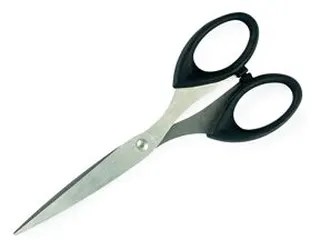 Kitchen / poultry scissors (metal) | Tevila with a bracha | Star-K: with a bracha if used on edible food; if used only on raw food that will still be cooked — without a bracha. | Source: Star-K chart |
 Meat grinder — the metal attachments | Tevila with a bracha | Star-K: the attachments need tevila with a bracha; if the grinder is used only for raw meat — without a bracha (Rabbi Tahan: by the Shach, a tool with no use except raw food needs no tevila; by the Taz, without a bracha). | Source: Star-K chart · Rabbi Tahan: Practical applications |
| Item | Status | What to do & why | Source |
|---|---|---|---|
 Teflon / non-stick coated pan or pot | Tevila without a bracha | Metal coated with Teflon: the metal obligates it, the coating removes the certainty — immerse without a bracha (Star-K). Rabbi Tahan: non-stick carbon-steel bakeware needs tevila. Tip: immerse it right after a utensil that gets a bracha anyway. | Source: Star-K chart · Rabbi Tahan Q&A: Tevila for steel bakeware · Rabbi Tahan Q&A: Doubtful utensil — dip after one that needs a bracha |
 Enameled cast iron (Dutch oven, Le Creuset) and enamel pots | Tevila without a bracha | Rabbi Tahan: an enameled cast-iron Dutch oven needs tevila (iron body with a glass-like coating). Star-K: a pot coated with enamel — without a bracha. | Source: Rabbi Tahan Q&A: Enameled cast iron Dutch oven · Star-K chart |
 Glazed china, porcelain, bone china, stoneware plates and mugs | Tevila without a bracha | Ask your Rav — the opinions differ. Rabbi Tahan (Q&A, Sephardi practice): plain porcelain, ceramic and china do not need tevila, since they are pottery; some are stringent and immerse without a bracha. His halacha series adds: if the dish is coated with glass (glazed, as most are today), it needs tevila for the glaze. Rav Ovadia Yosef: true porcelain — no tevila; earthenware glazed with glass inside and out — with a bracha; glazed only inside — without a bracha. Star-K: glazed china, bone china, stoneware — without a bracha. | Source: Rabbi Tahan Q&A: Tevila for porcelain dishes · Rabbi Tahan Q&A: Tevila for ceramic · Rabbi Tahan: Which materials require tevila · Halacha Yomit (Rav Ovadia Yosef): which utensils need tevila · Halacha Yomit (Rav Ovadia Yosef): plastic and porcelain · Star-K chart |
 Ceramic dishes with colour printing / decorated mugs | Tevila without a bracha | Rabbi Tahan: ceramic dishes with colour printing on the surface do not need tevila (same rule as pottery); the stringent immerse without a bracha. Star-K: a glazed ceramic mug — without a bracha. | Source: Rabbi Tahan Q&A: Ceramic dishes with colour printing · Rabbi Tahan Q&A: Tevila for a china mug · Star-K chart |
 CorningWare, ceramic knife, ceramic crock-pot insert | Tevila without a bracha | Star-K: CorningWare is earthenware — without a bracha; a ceramic knife — without a bracha; a ceramic slow-cooker insert — without a bracha. | Source: Star-K chart · Star-K article |
 Toaster | Tevila without a bracha | Rabbi Tahan: a bread toaster needs tevila — the bread sits on the metal like on a grill; wrapping the grate in foil does not exempt it unless it is always used wrapped. Star-K: tevila without a bracha. Immerse, dry 48 hours. If it cannot be immersed — a Jewish technician can dismantle and rebuild it. | Source: Rabbi Tahan Q&A: Does a bread toaster need tevilah? · Rabbi Tahan Q&A: Wrapping a toaster grate in foil · Rabbi Tahan: Practical applications · Star-K chart |
 Sandwich maker, panini press, waffle maker, George Foreman grill | Tevila without a bracha | Rabbi Tahan: a panini press needs tevila; electric grills and sandwich makers with metal plates need tevila. Star-K: without a bracha (the plates are coated); if it would break when immersed — no tevila. | Source: Rabbi Tahan Q&A: Tevila for a panini press · Rabbi Tahan: Practical applications · Star-K chart |
 Oven racks, toaster-oven rack and tray | Tevila without a bracha | The oven itself needs nothing. Rabbi Tahan: immerse the racks without a bracha, since food is sometimes baked directly on them — even if you always cover them with foil or paper. Star-K: toaster-oven rack and tray — tevila (with a bracha only if food will touch them directly). | Source: Rabbi Tahan: Practical applications · Star-K chart |
 Microwave glass turntable | Tevila without a bracha | The microwave needs no tevila. The glass plate: if you only put dishes on it — Rabbi Tahan: no tevila; Star-K: without a bracha. If food is put directly on the glass — take the plate to the mikveh (with a bracha, Star-K). | Source: Rabbi Tahan Q&A: Tevila on a microwave · Rabbi Tahan: Practical applications · Star-K chart |
 Metal or glass storage containers, canisters, cookie jars (kept in the pantry) | Tevila without a bracha | Glass or metal containers need tevila, but since they only store food and are not brought to the table, no bracha is said (Rabbi Tahan; Star-K). A container that is brought to the table — with a bracha. | Source: Rabbi Tahan: Practical applications · Star-K chart |
 Reusing a glass jar or bottle that came with food (jam, coffee, yogurt, Snapple) | Tevila without a bracha | Ask your Rav — the poskim differ. Rabbi Tahan: a glass coffee jar you want to reuse for sugar — immerse without a bracha; a glass yogurt jar — immerse before reuse; a Snapple-type bottle — by the custom no further tevila (Rav Moshe Feinstein: the Jew who opened it made it a utensil). Star-K: a jar that is secondary to its contents needs no tevila before reuse, but a deposit bottle or a fancy jar does. Drinking from it the first time is always fine. | Source: Rabbi Tahan Q&A: Tevila on a used container · Rabbi Tahan Q&A: Glass yogurt jar before reuse · Rabbi Tahan Q&A: Reusing glass bottles · Rabbi Tahan: Practical applications · Star-K article |
 Metal measuring spoons and cups | Tevila without a bracha | Star-K: without a bracha (used for raw ingredients). Rabbi Tahan: a plastic measuring cup with only a metal handle needs no tevila at all. | Source: Star-K chart · Rabbi Tahan Q&A: Plastic measuring cup with a metal handle |
 Cooling rack, pepper mill, medicine spoon | Tevila without a bracha | Star-K: a metal cooling rack — without a bracha; a pepper mill — without a bracha; a medicine spoon used only for medicine — without a bracha. | Source: Star-K chart |
 A utensil the store already immersed | Tevila without a bracha | A shopkeeper has no obligation to immerse his stock, and an immersion done before a Jew bought it for food use may not count. The custom: immerse again without a bracha (Rabbi Tahan). | Source: Rabbi Tahan: Practical applications |
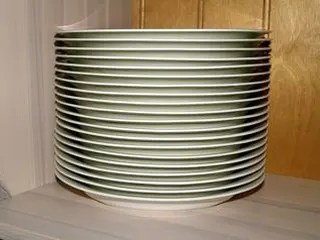 A utensil you are not sure was ever immersed | Tevila without a bracha | Rabbi Tahan: immerse the doubtful utensil without a bracha, or right after a utensil that needs a bracha anyway. A utensil immersed with a sticker still on it — immerse again, without a bracha. | Source: Rabbi Tahan Q&A: Doubtful utensil / sticker · Rabbi Tahan Q&A: Removing stickers for tevila |
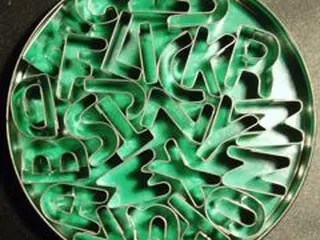 Tools used only on raw food — dough hook, rolling pin, meat tenderizer, flour sifter, cookie cutters | Tevila without a bracha | Ask your Rav: by the Taz any tool that touches food before it is ready to eat is immersed without a bracha; by the Shach (and many poskim) a tool with no use for ready-to-eat food needs no tevila at all. Star-K follows the lenient view (no tevila) for cookie cutters, a tenderizer hammer, a sifter and a rolling pin. | Source: Rabbi Tahan: Practical applications · Star-K chart |
 Disposable aluminum pans and foil containers | Tevila without a bracha | Used once and thrown away — Rabbi Tahan: using a utensil without tevila is only for disposables (no tevila needed). Star-K: without a bracha if used once; consult a Rav. Rav Ovadia Yosef: disposable aluminum made abroad — without a bracha, and those who are lenient have what to rely on (aluminum is not a Torah metal; many are made by Jewish companies). If you intend to reuse the pan — with a bracha (Star-K). | Source: Rabbi Tahan Q&A: Using a utensil once before discarding · Halacha Yomit (Rav Ovadia Yosef): disposables and electric kettles · Star-K chart · Star-K article |
| Item | Status | What to do & why | Source |
|---|---|---|---|
 Plastic — Tupperware, plastic cups, plates, bowls | No tevila | Plastic is neither metal nor glass; the vast majority of poskim (Rabbi Tahan; Rav Ovadia Yosef, Yechave Daat 3:60; Star-K) require no tevila. | Source: Rabbi Tahan Q&A: Tevila for plastic · Rabbi Tahan Q&A: Tevila on Tupperware · Rabbi Tahan: Which materials require tevila · Halacha Yomit (Rav Ovadia Yosef): plastic and porcelain · Star-K article |
 Wooden bowls, spoons, boards | No tevila | Wood is not among the materials that need tevila (Rambam; Rabbi Tahan). A wooden cask with metal straps — without a bracha (Star-K). | Source: Rabbi Tahan Q&A: Tevilat kelim for wooden utensils · Rabbi Tahan Q&A: Tevilah for wooden dishes · Rabbi Tahan: Which materials require tevila · Star-K chart |
 Silicone bakeware, spatulas, baby spoons | No tevila | Silicone is neither metal nor glass — no tevila (Rabbi Tahan; Star-K). | Source: Rabbi Tahan Q&A: Silicone baby spoons · Star-K chart |
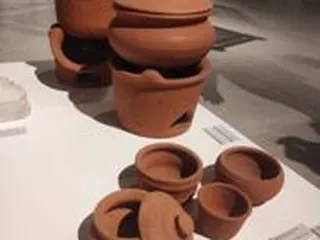 Unglazed earthenware, clay, stone, bone | No tevila | The Gemara (Avodah Zarah 75b): a clay vessel bought from a non-Jew needs no immersion — “metal vessels are stated in the passage.” Stone, bone and unglazed pottery need nothing (Rabbi Tahan; Star-K). | Source: Rabbi Tahan Q&A: Does an earthenware vessel need tevilah? · Rabbi Tahan: Which materials require tevila · Star-K article |
 Paper, Styrofoam and plastic disposables | No tevila | No tevila — not metal, not glass (Star-K; Rabbi Tahan: use disposable dishes where the real dishes were not yet immersed). | Source: Star-K article · Rabbi Tahan Q&A: Using dishes that were not immersed |
 Can opener, corkscrew, bottle opener, nutcracker | No tevila | They do not touch the food (or not on purpose) — no tevila (Rabbi Tahan; Star-K). Rav Ovadia: a nutcracker is exempt by law, but it is good to immerse it without a bracha. | Source: Rabbi Tahan Q&A: Tevila for a can opener · Star-K chart · Halacha Yomit (Rav Ovadia Yosef): which utensils need tevila |
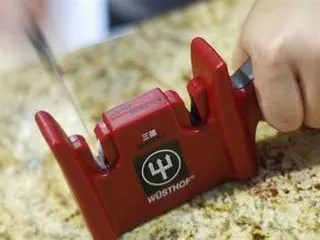 Knife sharpener, meat thermometer, dish rack, sink strainer, spoon rest | No tevila | None of these holds or touches the food as a food vessel — no tevila (Rabbi Tahan: knife sharpener, sink strainers; Star-K: the rest). | Source: Rabbi Tahan Q&A: Does a knife sharpener need tevilah? · Rabbi Tahan Q&A: Toveling sink strainers · Star-K chart |
 Hot plate / platta, blech, stovetop grate, trivet | No tevila | Rabbi Tahan: an electric hot plate needs no tevila if food is not placed directly on it; a stovetop grate never touches food. Star-K: hot plate, blech, trivet, warming tray — no tevila. | Source: Rabbi Tahan Q&A: Does an electric hot plate need tevilah? · Rabbi Tahan: Practical applications · Shulchan Aruch YD 120:4 · Star-K chart |
 Oven, stove, microwave, refrigerator | No tevila | The appliance itself never touches the food and is too large to be a “cover” — no tevila (Rabbi Tahan; the racks and the microwave plate are listed above). | Source: Rabbi Tahan: Practical applications · Rabbi Tahan Q&A: Tevila on a microwave |
 Netilat yadayim washing cup (metal) | No tevila | Used only for washing hands, not for food — no tevila (Star-K). | Source: Star-K chart |
 Candlesticks, glass candle holders, vases | No tevila | Not food vessels — no tevila, even if they will be washed with the dishes (Rabbi Tahan). | Source: Rabbi Tahan Q&A: Tevila for candle holders |
 Etrog box, kitchen scissors used only for packaging, arts-and-crafts knife | No tevila | A box or tool not meant for eating needs no tevila. Rabbi Tahan: an etrog box needs tevila only if you plan to eat the etrog. Star-K: a knife bought for crafts needs nothing even if it is sometimes used for food. | Source: Rabbi Tahan Q&A: Tevila for an etrog box · Star-K article |
 Glass table top, glass shelf | No tevila | Rabbi Tahan: a glass table does not need tevila — certainly if food is not put directly on it, and by the consensus of many poskim even if it is. | Source: Rabbi Tahan Q&A: Tevila for a glass table |
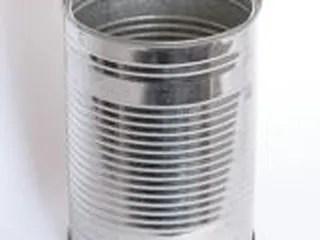 Empty food can reused for cooking | No tevila | Star-K: a metal can that held food (e.g. canned vegetables) may be used for cooking without tevila — the Jew who opened it created the “new” utensil. | Source: Star-K article · Star-K chart |
 Utensils made by a Jewish-owned company (many made in Israel) | No tevila | Only a utensil made by a non-Jew needs tevila. A utensil made by a Jewish craftsman or a company fully owned by Jews — no tevila (Rabbi Tahan; Star-K; Rav Ovadia: made in Israel — no tevila). When you do not know who made it, assume a non-Jewish maker and immerse with a bracha; Jews holding shares in a public company do not change this. | Source: Rabbi Tahan Q&A: Bracha on tevilat kelim (Jewish-owned companies) · Rabbi Tahan Q&A: Tevila for things made by a Jew · Star-K article · Halacha Yomit (Rav Ovadia Yosef): which utensils need tevila |
 Second-hand utensils bought from a Jew who already immersed them | No tevila | A utensil that was immersed once stays immersed — buying it from a Jew needs no new tevila. Bought from a non-Jew (even new, even a gift): tevila, and if it was used — hagalah first, then tevila. | Source: Shulchan Aruch YD 120:1 · Rabbi Tahan Q&A: Hagalah and tevilat kelim on silverware from a non-Jew |
 Utensils borrowed or rented from a non-Jew | No tevila | Only what you own needs tevila. A borrowed or rented vessel is exempt — which is why a utensil that cannot be immersed may be given to a non-Jew as a gift and borrowed back (Rav Ovadia Yosef; Rabbi Tahan: or sold to a non-Jew until it can be immersed). | Source: Halacha Yomit (Rav Ovadia Yosef): disposables and electric kettles · Rabbi Tahan Q&A: Using utensils that are not toveled |
- The Torah (Bamidbar 31:22–23) commands that metal vessels taken from Midian be purified in water; the Sages learned from here that any food vessel bought from a non-Jew must be immersed in a kosher mikveh before its first use (Avodah Zarah 75b; Shulchan Aruch, Yoreh De'ah 120:1).
- Metal — gold, silver, copper, iron, tin, lead — is a Torah obligation; aluminum and other metals are immersed with a bracha too. Glass was added by the Sages, because like metal it can be melted and remade — and the bracha is said on glass as on every rabbinic mitzvah (Rabbi Tahan; Sephardi practice per Rav Ovadia Yosef).
- Only vessels used for a meal (klei seudah) are obligated: what touches the food or drink directly. A tool that never touches the food, a tripod or a hot plate, needs nothing (Shulchan Aruch 120:4). A pot cover is immersed like the pot (Rema 120:5).
- Wood, stone, plastic, silicone, paper and unglazed pottery need no tevila. Glazed china and enamel are a dispute: immersed without a bracha, or exempt — see the rows above.
- A utensil may not be used even once before tevila — not even for cold food (Rabbi Tahan). If you cannot immerse it today, sell or give it to a non-Jew and borrow it back, or use disposables.
- A utensil made by a Jew or a Jewish-owned company needs no tevila; when you do not know who made it, immerse it with a bracha (Rabbi Tahan).
- Remove stickers, labels, glue and price tags; the utensil must be clean (a sticker you would never remove and do not mind may stay if it is hard to remove).
- Wet your hand in the mikveh water, hold the utensil and say: Baruch Ata Hashem Elokeinu Melech ha'olam asher kideshanu bemitzvotav vetzivanu al tevilat kelim (for one utensil: al tevilat keli).
- Dip it so the water touches every surface, inside and out, all at once; let go of it for a moment, or hold it loosely with a wet hand. No air pockets: immerse a bottle neck-up so it fills. Small items may go in a basket that is swirled under water.
- Lids are immersed separately. An electric appliance: immerse the body and the start of the cord, then dry it for at least 48 hours before use.
- Anyone may immerse, even a child or a non-Jew, but an adult Jew must be present to confirm it; the bracha is said only when a Jew immerses.
- Immerse in a kosher mikveh (one kosher for women), a spring, a lake or the sea — not a swimming pool.
- Introduction to Tevilat Keilim — the halacha series (materials, practical applications, how to perform tevila)
- All 77 questions and answers on Tevilat Keilim
- Star-K: The Mitzvah of Tevilas Keilim (Rav Moshe Heinemann) — article and chart
- Halacha Yomit — the rulings of Rav Ovadia Yosef on tevilat kelim (Hebrew)
 Tvilat Kelim. General Laws
 How To Dip Utensils In Mikve?
 How to Dip Multiple Utensils in The Mikve
 How to Dip Electric Utensils?
 Tvilat Kelim For Electric Appliances
 Tvilat Kelim. Which Electric Parts Should Be Dipped In The Mikve?
 Does China/Porcelain Need to Be Dipped In a Mikveh?
 If You Forgot to Remove the Sticker Before Dipping the Utensil
 Agala and Tevilat Keilim: The Difference, and When to Say a Bracha
 Hefker in Tvilat Kelim
 Dipping Disposables (class)
 Does a Keurig Machine Require Tevila? (class for the Kollel)


Photo credits
The photos are free-licence images from Wikimedia Commons and Flickr (tap a photo to enlarge it). Author and licence for each:
Stainless-steel pot / saucepan (uncoated) — Matti Blume, CC BY-SA 4.0, via Wikimedia Commons
Pot lid / cover (metal or glass) — Matti Blume, CC BY-SA 4.0, via Wikimedia Commons
Frying pan / skillet (uncoated metal) — Cooks & Kitchens from Darlington, UK, CC BY 2.0, via Wikimedia Commons
Cast-iron pot or skillet (plain) — Douglas P Perkins (Douglaspperkins (talk)), CC BY 3.0, via Wikimedia Commons
Aluminum pot / pan (reusable) — unknown author, CC0, via Wikimedia Commons
Cutlery — forks, spoons, knives — FHSING MAgasdk, CC0, via Wikimedia Commons
Silver kiddush cup, silver tray or bowl — Dimitri, CC BY-SA 3.0, via Wikimedia Commons
Drinking glasses / glass cups — New England Glass Company, CC0, via Wikimedia Commons
Glass plates, bowls, bakeware (Pyrex, Duralex) — Melissa Highton, CC BY-SA 4.0, via Wikimedia Commons
Corelle dishes — Capvideo, CC BY 4.0, via Wikimedia Commons
Crystal glasses and decanters — Photo: W.carter Research: Aristeas, CC BY-SA 4.0, via Wikimedia Commons
Glass baby bottle — Miya, CC BY-SA 4.0, via Wikimedia Commons
Metal or glass water bottle / thermos — Jonathan Schilling, CC BY-SA 4.0, via Wikimedia Commons
Baking sheet, cookie sheet, muffin pan (uncoated metal) — YoAmes, CC BY-SA 2.0, via Wikimedia Commons
Metal colander, sieve, strainer — FAP, CC BY-SA 3.0, via Wikimedia Commons
Metal grater, zester, garlic press — Brownretail, CC BY-SA 3.0, via Wikimedia Commons
Vegetable peeler (metal blade) — Pengo, CC BY-SA 3.0, via Wikimedia Commons
Small metal gadgets — ladle, spatula, tongs, whisk, ice-cream scoop, egg slicer, cheese slicer, apple corer, melon baller, skewers — Snowmanradio, Public domain, via Wikimedia Commons
Glass or metal cutting board / challah board — Pan Pulaski, CC0, via Wikimedia Commons
Kettle — stovetop or electric — Jacek Halicki, CC BY-SA 4.0, via Wikimedia Commons
Hot-water urn (metal) — Creator:John McMullin, CC0, via Wikimedia Commons
Blender, mixer, food processor, juicer — the bowl, jar and blades — Infrogmation of New Orleans, CC BY-SA 4.0, via Wikimedia Commons
Barbecue grill grates — Shixart1985, CC BY 2.0, via Wikimedia Commons
Crock pot / slow cooker — the insert — Your Best Digs, CC BY 2.0, via Wikimedia Commons
Coffee maker (drip, Keurig, Nespresso) — www.acosta.eu / or Christos Vittoratos, CC BY-SA 3.0, via Wikimedia Commons
Sous-vide device, cotton-candy machine, popcorn maker — Pedro.serna, CC BY-SA 4.0, via Wikimedia Commons
Air fryer — the basket — Horacio Cambeiro, CC BY-SA 3.0, via Wikimedia Commons
Salt shaker, sugar bowl, honey dish (metal or glass) — Dubravko Sorić SoraZG on Flickr, CC BY 2.0, via Wikimedia Commons
Kitchen / poultry scissors (metal) — Crisco 1492, CC BY-SA 4.0, via Wikimedia Commons
Meat grinder — the metal attachments — Jollymon001, CC BY-SA 4.0, via Wikimedia Commons
Teflon / non-stick coated pan or pot — Andrevan, CC BY-SA 2.5, via Wikimedia Commons
Enameled cast iron (Dutch oven, Le Creuset) and enamel pots — FiveRings, CC BY-SA 3.0, via Wikimedia Commons
Glazed china, porcelain, bone china, stoneware plates and mugs — Sefer azeri, CC0, via Wikimedia Commons
Ceramic dishes with colour printing / decorated mugs — Pittigrilli, CC BY-SA 4.0, via Wikimedia Commons
CorningWare, ceramic knife, ceramic crock-pot insert — User:Splarka, Public domain, via Wikimedia Commons
Toaster — Patrick Mueller from apex, usa, CC BY 2.0, via Wikimedia Commons
Sandwich maker, panini press, waffle maker, George Foreman grill — unknown author, CC BY-SA 3.0, via Wikimedia Commons
Oven racks, toaster-oven rack and tray — Heather Kennedy, CC BY 2.0, via Wikimedia Commons
Microwave glass turntable — Famartin, CC BY-SA 4.0, via Wikimedia Commons
Metal or glass storage containers, canisters, cookie jars (kept in the pantry) — ChristianSW, CC BY-SA 3.0, via Wikimedia Commons
Reusing a glass jar or bottle that came with food (jam, coffee, yogurt, Snapple) — Firzafp, CC BY-SA 4.0, via Wikimedia Commons
Metal measuring spoons and cups — Викидим, CC BY-SA 4.0, via Wikimedia Commons
Cooling rack, pepper mill, medicine spoon — James Petts from London, England, CC BY-SA 2.0, via Wikimedia Commons
A utensil the store already immersed — Alex Sergeev (www.asergeev.com), CC BY-SA 3.0, via Wikimedia Commons
A utensil you are not sure was ever immersed — Santeri Viinamäki, CC BY-SA 4.0, via Wikimedia Commons
Tools used only on raw food — dough hook, rolling pin, meat tenderizer, flour sifter, cookie cutters — jens kuu from Dortmund, Germany, CC BY-SA 2.0, via Wikimedia Commons
Disposable aluminum pans and foil containers — SKopp, CC BY-SA 3.0, via Wikimedia Commons
Plastic — Tupperware, plastic cups, plates, bowls — Quercus acuta, CC BY-SA 4.0, via Wikimedia Commons
Wooden bowls, spoons, boards — Arbil44, CC BY-SA 4.0, via Wikimedia Commons
Silicone bakeware, spatulas, baby spoons — Monoxyde, CC BY-SA 4.0, via Wikimedia Commons
Unglazed earthenware, clay, stone, bone — QueenCityCebu, CC BY-SA 4.0, via Wikimedia Commons
Paper, Styrofoam and plastic disposables — Amphion27, CC BY-SA 4.0, via Wikimedia Commons
Can opener, corkscrew, bottle opener, nutcracker — Evan-Amos, Public domain, via Wikimedia Commons
Knife sharpener, meat thermometer, dish rack, sink strainer, spoon rest — File:Knife Sharpener, Wüsthof, 2008-(01).jpg: Paul Martin derivative work: Zinnm, CC BY 2.0, via Wikimedia Commons
Hot plate / platta, blech, stovetop grate, trivet — Tony Webster from Laramie, Wyoming, United States, CC BY-SA 2.0, via Wikimedia Commons
Oven, stove, microwave, refrigerator — Stilfehler, CC BY-SA 4.0, via Wikimedia Commons
Netilat yadayim washing cup (metal) — Maor X, CC BY-SA 4.0, via Wikimedia Commons
Candlesticks, glass candle holders, vases — W.carter, CC BY-SA 4.0, via Wikimedia Commons
Etrog box, kitchen scissors used only for packaging, arts-and-crafts knife — Gilabrand, CC BY-SA 3.0, via Wikimedia Commons
Glass table top, glass shelf — Sridhar Rao, CC BY-SA 4.0, via Wikimedia Commons
Empty food can reused for cooking — Sun Ladder, CC BY-SA 3.0, via Wikimedia Commons
Utensils made by a Jewish-owned company (many made in Israel) — T.K. Naliaka, CC BY-SA 4.0, via Wikimedia Commons
Second-hand utensils bought from a Jew who already immersed them — Tess Mattew, CC BY-SA 4.0, via Wikimedia Commons
Utensils borrowed or rented from a non-Jew — http://en.wikipedia.org/wiki/User:FiveRings, CC BY-SA 3.0, via Wikimedia Commons
This list is a guide, not a ruling for your particular utensil. Materials and coatings change from brand to brand — when in doubt, or for an appliance that may be ruined by water, ask Rabbi Tahan or your own Rav. Last reviewed October 2026.